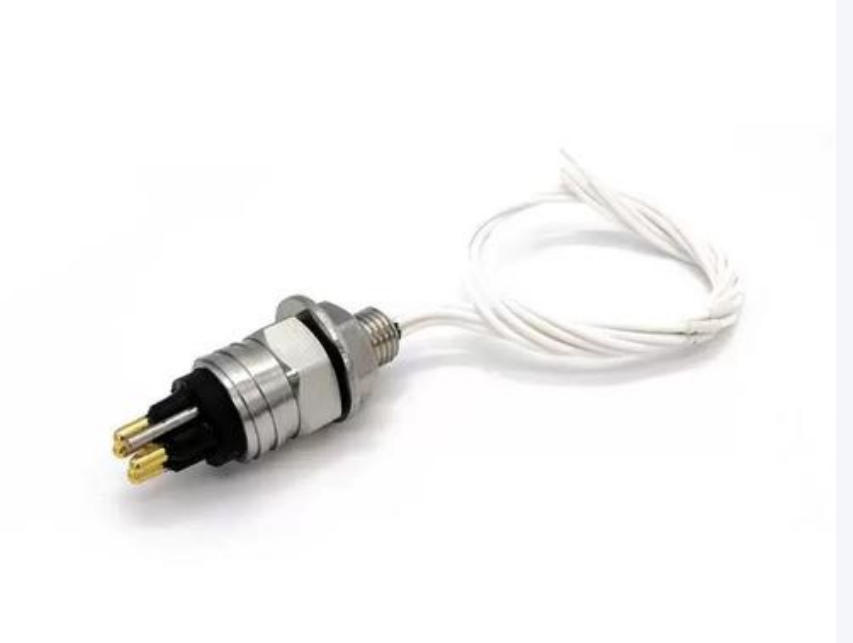
MCIL and MCBH belong to the SubConn micro circular wet-mate underwater connector range. They share the same contact layout and are intermateable. The main difference lies in the mounting style, and they are commonly used as a mating pair.
## MCIL (Inline)
- Construction: Inline cable connector, overmolded onto cable. No bulkhead thread or flange for panel mounting.
- Function: Free cable plug.
- Applications: Cable extension, umbilical branching for ROVs, end connectors for underwater cameras and sensors, interconnection of seabed arrays, field wet-mate splices.
## MCBH (Bulkhead)
- Construction: Bulkhead feedthrough connector with threaded housing. It penetrates the pressure housing. Internal wiring is inside the enclosure, while the external side mates with MCIL.
- Function: Fixed panel feedthrough for equipment housings.
- Applications: Panel interfaces on ROV/AUV pressure vessels, CTD, ADCP and other oceanographic sensors, underwater lights, seabed observatories, sealed penetration points for pressure housings.
## Key Comparison
1. Mating rule: MCIL mates directly with MCBH of the same pin count. MCBH is fixed on equipment; MCIL is the free plug.
2. Common features: Wet-mateable, deep-sea rated (up to 800 bar), gold-plated contacts, 2–16 contact versions available, seawater resistant housings (316L stainless steel, titanium, anodized aluminium).
3. Selection guide: Use **MCBH** for housing panel cutouts; use **MCIL** for cable ends and extension joints.
## Typical System Setup
An MCBH is mounted on a pressure bulkhead as the fixed port. A cable assembly terminated with MCIL connects to it underwater. No dry docking is required for connection. Widely adopted in ocean research, ROVs, offshore wind subsea monitoring, acoustic arrays and diving systems.
 RV POWER GROUP
